
Keeping a Nature Journal on Coastal Walks
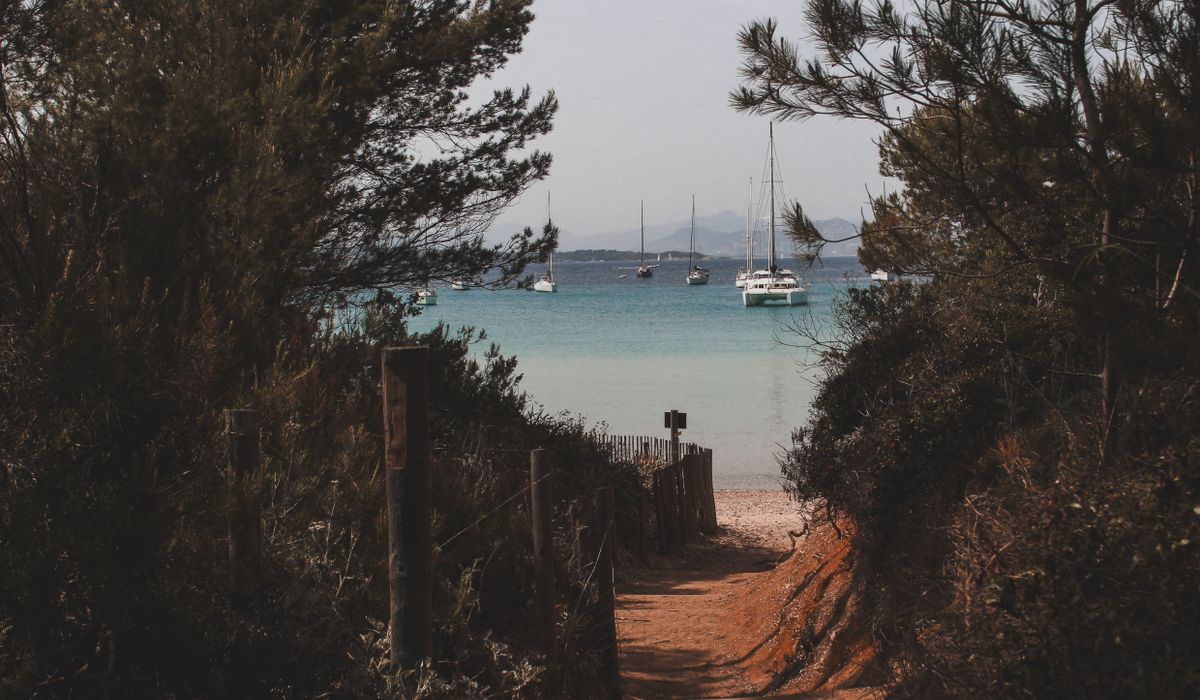
Why the Sea Rewards a Slow, Observant Walker
Coastal walking has a way of sweeping you along. There is wind to lean into, a horizon to reach, and a tide that sets its own unbothered schedule. It is easy to stride the whole length of a beach and remember little more than the cold in your cheeks. A nature journal changes that. It slows you down, gives your attention somewhere to settle, and turns a walk into a record you can return to in January when the dunes are grey and the sand is somewhere else entirely.
You do not need skill, expensive kit or a tidy hand. A pocket notebook and a pencil will do, ideally with a small pencil sharpener because sea air and damp sand blunt graphite surprisingly fast. A cheap waterproof cover or a zip-lock bag helps on the sort of day when the rain arrives sideways. The aim is not a perfect diary but a working one: brief, honest and specific.
Begin With the Weather and the Light
Weather is the easiest thing to write and often the most revealing. Start with three lines before you have walked a hundred metres: wind direction and strength, cloud cover, and the state of the sea. Instead of writing "windy", try "south-westerly, force 4, blowing foam off the tops of the breakers". Instead of "cloudy", note "flat grey cloud, 8 oktas, no shadow, horizon slightly lighter than the sky above it".
Then record what the weather is doing to the light. Coastal light shifts fast, and small details are worth catching:
- The colour of the sea under cloud compared with sun — slate, pewter, bottle green, milky turquoise.
- Where the sun is and what it does to wet sand, especially the mirror-flat strip left by a retreating tide.
- Visibility: can you see the next headland, a distant lighthouse, an offshore wind farm, or nothing at all?
- Temperature on your skin and the salt taste in the air when spray reaches you.
This takes two minutes and gives every future entry a context. Two walks on the same path in the same month can feel like different places entirely.
Listening: Bird Calls, Surf and Silence
Sound is the part most of us forget to write down and the part we most enjoy remembering. Find a sheltered spot — behind a dune ridge, in the lee of a groyne — and simply listen for a full minute. Then describe it.
Be precise about calls rather than generous with adjectives. An oystercatcher's piping is a bright, insistent kleep-kleep; a curlew's is a rising, mournful whistle that seems to belong to the estuary rather than the beach. Ringed plovers run in fits and starts and call a soft, liquid too-ee. Sanderling flocks flit along the water's edge like a single nervous organism. Herring gulls are not just "noisy" — note whether they are the low, chuckling calls of birds on the tideline or the hard alarm of a bird flushed by a dog.
Also note the non-bird sounds: the hiss of small waves draining shingle, the deeper boom of a heavy swell, halyards clinking in a harbour, wind hissing through marram grass. Recording what you cannot hear matters too. A sudden absence of birdsong after a peregrine passes overhead is a moment worth catching.
Dunes, Plants and the Shape of Things
Dunes are a landscape of edges, and the plants on them are wonderfully specific to their position. Marram grass, with its long rolled leaves and sharp points, holds the foredunes together; it is the reason dunes exist at all. Behind it you might find sea couch, sea holly with its glaucous, spiny leaves, and the grey-green cushions of sea spurge. In the damper hollows, or dune slacks, look for rushes, marsh orchids in early summer and the bright magenta of sea bindweed, with its kidney-shaped leaves and creamy stripes down the flower's throat.
In your journal, sketch as much as write. A quick outline of a leaf, a cross-section of a dune ridge, or the angle of a stem in the prevailing wind will teach you more than a paragraph of description. Note:
- Height and aspect — is the plant on the seaward slope, the crest or the sheltered inland side?
- Leaf shape, texture and hairiness; whether leaves are rolled, fleshy, waxy or grey.
- Anything grazing them — rabbit droppings, nibbled stems, tracks in the sand.
- The general hum of insect life, from bumblebees on viper's bugloss to the small cloud of flies over a dune slack.
Stick to footpaths and boardwalks where they exist. Dune vegetation is fragile, and a few careless steps can undo years of growth.
Beachcombing and the Strandline
The strandline, the dark ribbon of debris left by the last high tide, is the richest part of the beach for a nature journalist. Treat it as a survey rather than a shopping trip. Walk your line slowly and note what is common and what is rare, rather than only the prize finds.
- Cuttlefish bone, chalky and pale, often showed up in late summer.
- Mermaid's purses — the horned egg cases of rays and skates — with a note on size and whether the horns are long or short.
- Whelk egg cases, the crinkled "sea wash balls", and the papery white tubes of razorbills' egg cases.
- Shells: common whelk, limpet, slipper limpet, otter shell, and the occasional scallop.
- Sea beans, driftwood, fishing line and plastic, which should be logged and removed where safe.
Take photographs or a small sketch instead of the object itself where you can. Live animals — whelks in their shells, crabs, anemones on stones — should be left exactly where they are, and anything attached to a living creature is best returned gently to the water. Avoid disturbing roosting birds on the strandline, especially in winter when energy is precious.
Your Own Responses, Recorded Honestly
The final and most valuable layer is you. Note how the walk made you feel: whether the wind made you irritable or exhilarated, whether a sudden flock of waders lifted your mood, whether you were disappointed by the lack of shells or delighted by an empty beach. Record what you were thinking about, what you noticed first, and what you missed the first time and caught on a second look.
Date and time every entry, name the place and the tide state. Over a year, patterns emerge: the weeks the curlews arrive, the fortnight the strandline fills with cuttlefish, the day the first sea holly flowers. That is the quiet reward of a coastal nature journal — not a beautiful artefact, but a sharper pair of eyes and a deeper sense of a place you thought you already knew.


Winter dune reserves host visiting birds, tracks in frost and quiet beauty. Look for waders, owls and exposed shells after storms.
A coastal path day demands layers, water, food and a reliable map. Pack light but prepare for wind, rain and changing temperatures.
Dune restoration groups remove scrub, plant marram and survey wildlife. Volunteering is a practical way to care for fragile coastal landscapes.
Sand dunes change from bare sand to woodland through succession. Each zone supports different plants, insects and coastal birds.