
Dog-Friendly Beach Walks and Dune Etiquette
Why Coastal Walks Are a Treat for Dogs and Owners Alike
There’s nothing like the sight of a dog racing across a wide sandy beach, ears flying, paws kicking up spray. The UK has thousands of miles of coastline, and most of it is wonderfully dog-friendly outside seasonal restrictions. But these walks come with responsibilities. Sand dunes are fragile habitats supporting a surprising amount of wildlife. With a little planning, you and your dog can enjoy the coast without leaving a negative trace.
Know Before You Go: Tides, Seasons and Local Rules
Check tide times before you set off. Nobody wants to be cut off on a disappearing sandbank, and dogs can get into trouble in strong currents. Aim to walk on a falling tide and always have an escape route. Many beaches have seasonal dog bans between May and September, often on the busiest sections. Look for signs at the car park or check the local council’s website. Elsewhere, dogs are welcome year-round, but you may need to keep them on a lead near wildlife zones.
Nesting season runs roughly from March to September. Ground-nesting birds such as ringed plovers, oystercatchers and little terns lay eggs in shallow scrapes on sand and among dunes. A curious dog can crush eggs or cause parent birds to abandon nests. Keep leads handy during nesting season — even if your dog has excellent recall, a sudden flush of birds can be avoided with a simple clip of the lead. Respect any roped-off areas absolutely.
Dune Etiquette: Protecting Fragile Habitats
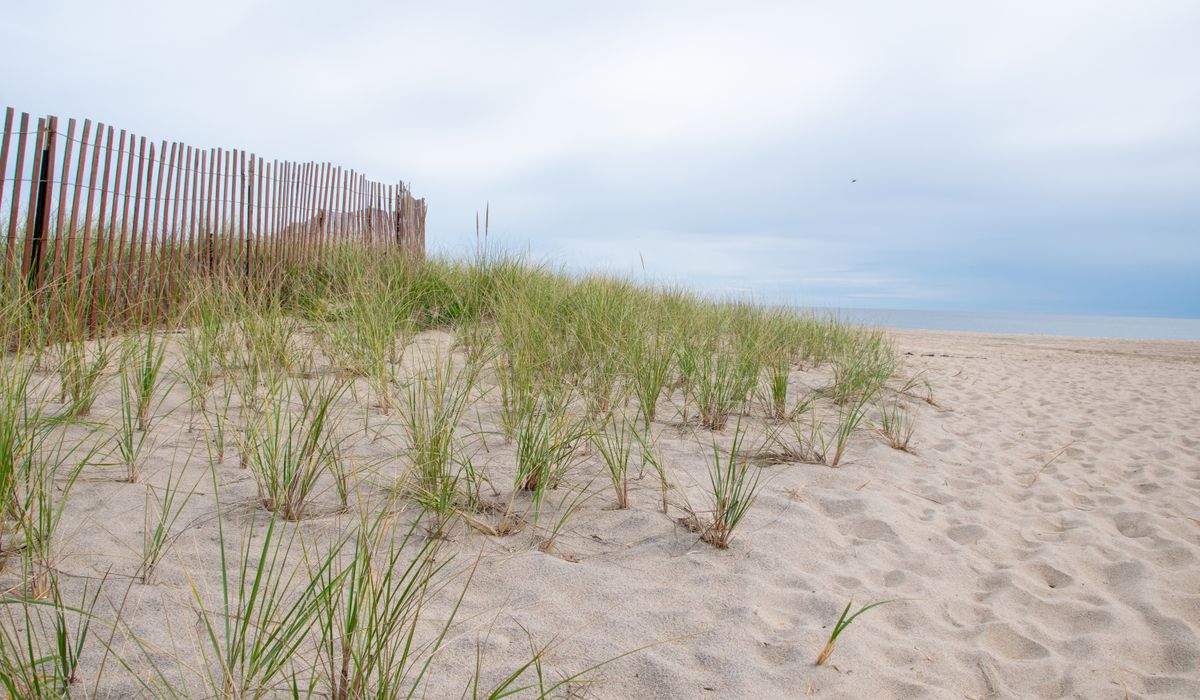
Sand dunes are not just piles of sand. They are dynamic ecosystems built by marram grass and other specialised plants, which trap sand, stabilise the dunes, and create shelter for sand lizards, natterjack toads, slow worms, and countless insects. Dunes also act as a natural sea defence, absorbing wave energy during storms. When people or dogs trample through vegetation, roots are damaged, and sand starts to blow away. A single shortcut can lead to a blowout that takes years to heal.
Good dune etiquette means:
- Stick to marked paths and boardwalks. They protect the dunes, not spoil your fun.
- Keep dogs on leads in dune areas, especially where signs ask. Even the most obedient dog can follow a scent into a nesting area.
- Don’t let dogs dig. Digging destroys plant roots and can collapse burrows used by small mammals and reptiles.
- Prevent chasing. If your dog chases birds or rabbits, call them back and put them on the lead. Wildlife uses precious energy escaping.
- Bin litter. Food waste attracts predators like gulls and foxes, which then prey on eggs and chicks.
If you see a dog off-lead in a protected area, a friendly reminder about nesting birds often works better than confrontation.
Beachcombing with Your Dog: Safe and Responsible Finds
Beachcombing is a wonderful way to slow down and notice small treasures: mermaid’s purses, whelk egg cases, sea glass, driftwood, and occasional fossils. Your dog will be more interested in smells, but that’s part of the fun. Keep a few safety rules in mind.
- Watch what they sniff and eat. Dead fish, seabirds, and rotting seaweed can carry bacteria or toxins. Some seaweed, if ingested in large amounts, causes stomach upsets.
- Beware of sharp objects. Broken glass, rusty metal, and fishing hooks hide in the strandline. Check your dog’s paws after walks.
- Leave living creatures where they are. Limpets, crabs, anemones, and starfish are not souvenirs. If you turn over a rock, put it back gently.
- Check local bye-laws. Some areas protect shells, fossils, or driftwood. Take only photos and memories.
Let your dog explore dry sand and shallow pools, but keep them away from the base of cliffs, which can crumble, and from resting seals — they need space and can bite if approached.
Waste, Water and Wildlife: Practical Tips for a Happy Walk
Always bag and bin waste. This is non-negotiable. Dog mess carries parasites that harm wildlife and livestock, and it pollutes the sea. If there’s no bin nearby, carry it until you find one. Never leave bags hanging on fences or trees — that’s still littering. Use a small airtight container or a dedicated pocket.
Bring fresh water for your dog. Drinking saltwater causes vomiting and diarrhoea. Offer water often, especially on warm days. Avoid walking on hot sand, which burns paws; if it’s too hot for your hand, it’s too hot for their feet. In summer, walk early morning or late evening.
Be aware of seasonal hazards: adders basking on dunes, weever fish buried in shallow water, and jellyfish washed up on the strandline. Keep your dog from investigating. If you suspect a sting or bite, seek veterinary help immediately.
Finally, respect other beach users. Not everyone loves dogs, and children may be nervous. Keep your dog under close control around picnics, kites, and horses. A friendly “good morning” and a recalled dog go a long way.
With a little thought, every walk can be a joy — for you, your dog, and the wildlife that shares our coast.


A coastal path day demands layers, water, food and a reliable map. Pack light but prepare for wind, rain and changing temperatures.
Dune restoration groups remove scrub, plant marram and survey wildlife. Volunteering is a practical way to care for fragile coastal landscapes.
Sand dunes change from bare sand to woodland through succession. Each zone supports different plants, insects and coastal birds.
Coastal wildflowers range from sea campion to pyramidal orchid. Learn which species favour shingle, dune slack or cliff-top grassland.