
Packing for a Full Day on the Coastal Path
The Coast Rewrites the Forecast
You check the weather app, see a decent twelve degrees and a light breeze, and pack as if for a stroll in the park. Two hours later you are on an exposed headland, the wind is pushing you sideways, sea fret has rolled in, and your cotton hoodie feels like a wet flannel. The coast does not care about your inland expectations. A full day on the path means preparing for four seasons in six hours, often without a shop, café or bus shelter in sight. Pack light, but pack for wind, rain, spray and a temperature that can drop ten degrees the moment you turn a corner. The good news is that a sensible kit list is surprisingly short. The trick is choosing each item for more than one job.
Layering: The Only System That Works
Forget the single heavy jumper. Three thin layers beat one thick one every time, because you can add or remove them as the path climbs, the wind turns, or the sun finally breaks through. Start with a base layer that wicks sweat away from your skin. Merino wool or a synthetic fabric is ideal; cotton is not, because once it is damp it stays damp and chills you. Over that, a fleece or light synthetic jacket traps warmth. On top, a waterproof and windproof shell with a hood, taped seams and ideally pit zips, so you can vent heat without stripping off.
- Base layer: one spare in your rucksack, sealed in a dry bag.
- Mid layer: fleece or light insulated jacket, not too bulky.
- Shell: waterproof jacket and over-trousers, both able to cope with a sudden squall.
- Extremities: thin gloves, a warm hat and a buff. They weigh almost nothing and save a day.
Add a light sit mat or a folded piece of foam. Sitting on cold sand or damp rock for lunch drains heat faster than you would think.
Feet First: Boots, Socks and Sand
Coastal paths are rarely smooth. You will meet rock steps, muddy churns, loose shingle, and sand that works its way into every seam. Choose footwear with grip and ankle support, broken in long before the day itself. A waterproof membrane helps in wet grass, but it also traps sweat, so pair boots with a liner sock and a cushioned wool or synthetic outer sock. Take a spare pair of socks. Few things feel as good as dry feet halfway through a long afternoon.
Gaiters are not just for mountaineers. Short ones keep sand, grit and grass seeds out of your boots when you cross dunes or drop onto the beach. If you prefer trainers, fine, but accept wet feet and bring blister plasters. Check your laces before a steep descent; a loose heel rubs raw in a mile.
Water, Food and the Long Afternoon
Two litres of water is a sensible minimum for a full day, more if it is warm or you are climbing. A vacuum flask of tea or soup is a small luxury that lifts morale when the wind is cutting. Add an electrolyte tablet or a pinch of salt to one bottle if you are sweating hard.
Food should be easy to eat with cold hands and one eye on the path. Oatcakes, flapjack, nuts, dried fruit, a decent sandwich and a few squares of chocolate cover slow energy and quick treats. Avoid anything that needs a fork or a stove. Pack an extra cereal bar or two in the bottom of your rucksack; it costs nothing and turns a miserable hour into a manageable one.
Navigation That Doesn't Rely on a Signal
Your phone is a useful tool, not a plan. Battery life vanishes in cold wind, and signal is patchy on remote stretches. Carry a paper map of the whole route, folded into a waterproof case, plus a baseplate compass. Know how to take a bearing and follow a path on the map, even if you only use those skills once.
Before you set off, check the tide tables for any beach section. A path that looks fine at low water can be cut off within an hour. Tell someone your route and your estimated finish time. A small power bank and a head torch add very little weight and solve two common problems: a dead phone and a late return.
Dunes, Tidelines and the Beachcombing Pocket
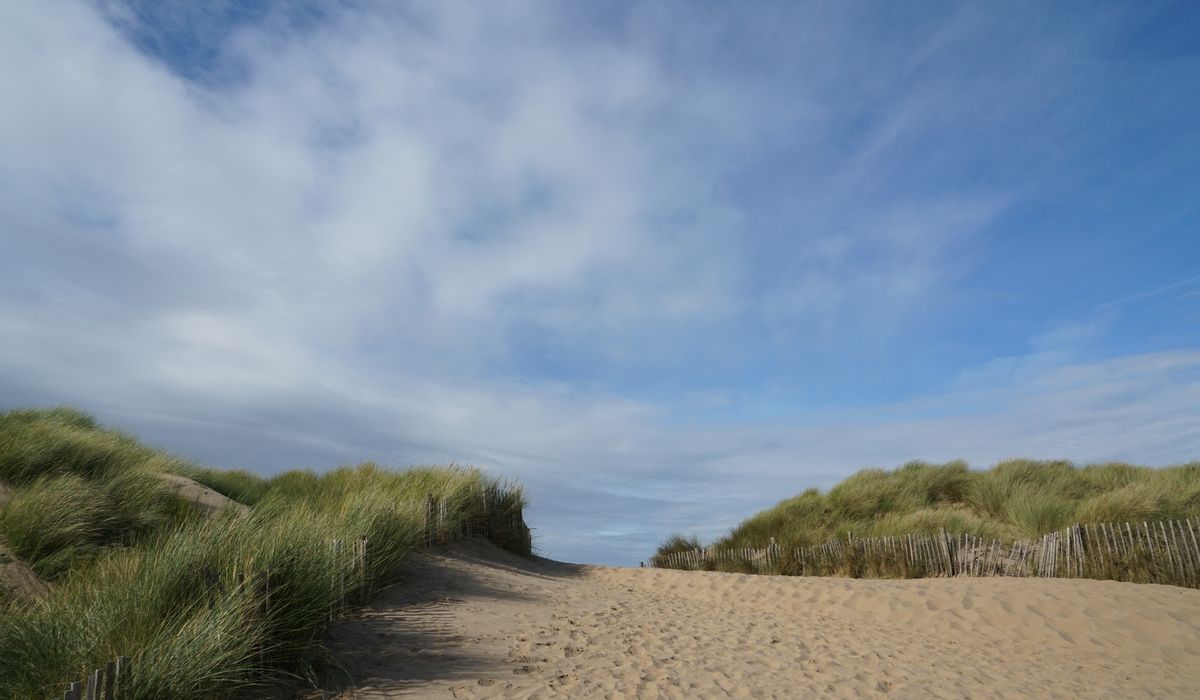
Dunes are fragile places. Marram grass holds the sand together, and one careless footstep can start a blowout that takes years to heal. Stick to boardwalks and established paths, and never slide down a dune face for fun. If you are beachcombing, carry a small cloth bag or a sturdy pocket. Cuttlefish bones, mermaid's purses, sea glass, winkles and mermaid's tears are fair game in small amounts. Take only a few, and leave driftwood, seaweed and living creatures where they are.
Seals, oystercatchers and ringed plovers need space. Keep your distance, keep dogs on a lead where asked, and move on quietly. A full day on the coastal path is about moving through a landscape, not collecting it. Pack everything out, including apple cores and orange peel. Leave the coast as you found it, then go home tired, salty and already planning the next stretch.


Sand dunes change from bare sand to woodland through succession. Each zone supports different plants, insects and coastal birds.
Coastal wildflowers range from sea campion to pyramidal orchid. Learn which species favour shingle, dune slack or cliff-top grassland.
Seashells wash up in mixed collections, but common shapes reveal their makers. Compare hinge, spiral and rib patterns to identify finds.
Coastal headlands offer close views of fulmars, guillemots and gannets. Bring binoculars, keep back from cliff edges and avoid nesting colonies.