
Winter Wildlife to Look For on Dune Reserves
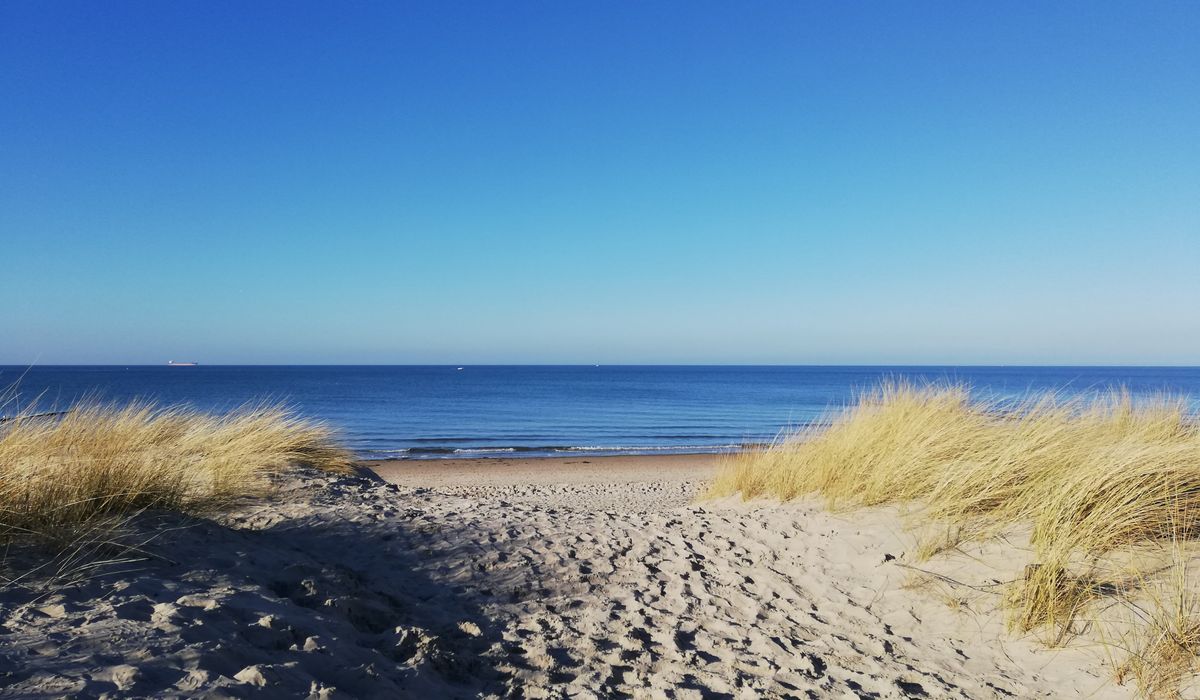
A Quieter Season on the Dunes
Winter strips the dune reserves back to their bones. The crowds have gone, the marram grass stands bleached and whispering, and the air carries that sharp, clean bite that only comes off the North Sea. For wildlife watchers, this is when the coast feels most alive. Visiting birds arrive from the Arctic and Scandinavia, tracks appear in frost, and winter storms scour the beach, leaving treasures exposed along the strandline. Wrap up warm, pack binoculars, and give yourself time to stand still. The rewards are quiet but unforgettable.
Waders and Wildfowl to Watch
Dune reserves come into their own in winter because they sit between two worlds: the open beach and the sheltered slacks behind the dunes. At low tide, waders spread out across the wet sand and mudflats. Look for oystercatchers with their bold black-and-white plumage and orange bills, probing for cockles. Curlews are unmistakable, with long curved bills and haunting calls that carry across the reserve. Smaller dunlin and sanderling run along the water's edge like clockwork toys, while bar-tailed godwits wade deeper, sweeping their bills side to side.
As the tide pushes them off the flats, they gather at high-tide roosts on the dunes or nearby fields. This is the best time to count them. Wildfowl also move in: listen for the whistling calls of wigeon, the soft piping of teal, and the dark, goose-like shapes of brent geese grazing on saltmarsh or stubble. Shelduck, with their striking chestnut, green and white plumage, often loaf on the sand.
Owls and Raptors on the Wing
Winter is the season for raptors on dune reserves. Short-eared owls arrive from northern Europe, hunting voles and mice over the rough grass at dawn and dusk. Watch for their buoyant, moth-like flight and pale, barred underwings. Barn owls also quarter the dunes, especially in mild winters when small mammals stay active. Listen for the sharp kek-kek alarm call of a kestrel or the low, fast glide of a merlin chasing a meadow pipit.
Hen harriers, now sadly rare, sometimes drop in to roost in the dunes. The ringtail females and juveniles are brown with a white rump patch, while males are ghostly grey. Keep your distance: these birds are easily disturbed, and a flushed roost can cost them precious energy on a cold night. Find a sheltered spot, stay still, and let them come to you.
Tracks and Signs in Frost
A hard frost turns the dunes into a storybook. Set out early, before the sun softens the ground, and you will find a record of the night's wanderings. Look for the neat, almost heart-shaped prints of foxes trotting along the dune paths. Rabbit tracks show a bounding gait, with the smaller front feet landing behind the larger hind feet. Roe deer leave delicate, two-toed slots in the sandy soil, often on the edge of woodland or scrub.
Near the shore, check for the five-toed, webbed prints of otters heading between the sea and freshwater slacks. Bird tracks are just as telling: the three forward toes of waders, the webbed feet of gulls, and the long, trailing impressions left by the tails of pheasants or woodcock. Look also for owl pellets – small, grey, furry sausages under fence posts or tussocks – and for feathers caught in the grass. Take photographs, but leave everything where you find it.
Beachcombing After Winter Storms
Winter storms churn the seabed and dump their bounty on the strandline. This is prime beachcombing time. After a big blow, walk the high tide line and look for mermaid's purses – the empty eggcases of skates and rays. They come in different shapes: some are small and rectangular with curly tendrils, others are larger with long horns. You can record your finds for local conservation projects, helping track where these fish breed.
Shells also appear in greater variety. Common finds include cockle and razor shells, whelk and scallop valves, and the fragile, translucent cuttlefish bone. On rare occasions, lucky beachcombers spot a sea bean – a tropical seed carried across the Atlantic by currents. Driftwood, sea glass and fishing twine are common too, but please take your litter home and leave natural debris for the wildlife that depends on it.
Safety first: check tide times, never turn your back on the sea, and avoid climbing on unstable dunes or cliffs. If you find a live stranded animal – a seal pup, for example – keep well back and call the relevant wildlife rescue organisation.
Winter Watching Wisdom
To make the most of a winter visit, plan around the tides. Low tide is best for waders and beachcombing; high tide concentrates birds at roosts and brings owls out to hunt. Dawn and dusk are prime times for wildlife, but even midday can be productive if you find a sheltered dune slack out of the wind.
Pack these essentials:
- Warm, waterproof layers and wellington boots
- Binoculars or a spotting scope
- A flask and high-energy snacks
- A notebook and pencil for recording tracks and finds
Stay on established paths where possible – dune vegetation is fragile and easily eroded in winter. Keep dogs under close control, especially near roosts and feeding flocks. And remember: the best sightings often come when you simply sit still and wait. The dunes will reward your patience.


Dune restoration groups remove scrub, plant marram and survey wildlife. Volunteering is a practical way to care for fragile coastal landscapes.
Sand dunes change from bare sand to woodland through succession. Each zone supports different plants, insects and coastal birds.
Coastal wildflowers range from sea campion to pyramidal orchid. Learn which species favour shingle, dune slack or cliff-top grassland.
Seashells wash up in mixed collections, but common shapes reveal their makers. Compare hinge, spiral and rib patterns to identify finds.