
How to Identify Marram Grass on Coastal Dunes
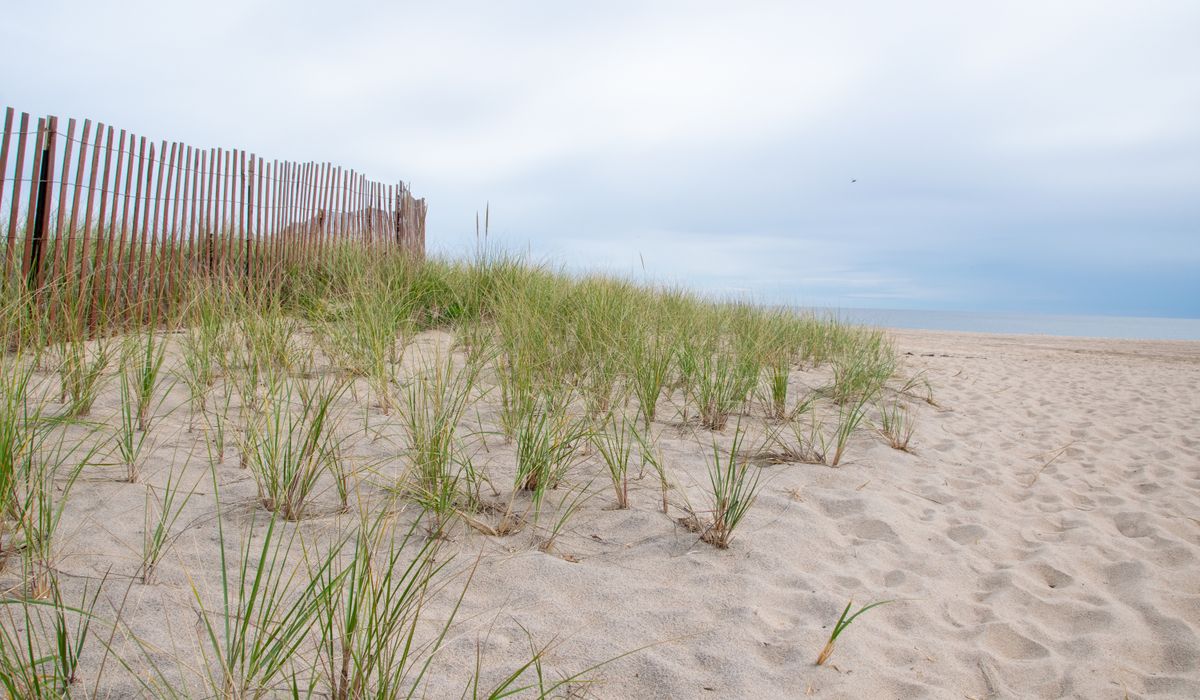
Why Marram Grass Matters on Coastal Dunes
If you have ever walked onto a British beach and noticed a bristly, blue-green grass growing in tufts on the sand, you have probably met marram grass. Its scientific name is Ammophila arenaria, and it is one of the great builders of our coastal landscape. Marram holds shifting sand in place with a deep, wiry root system, allowing dunes to form and grow. For beachcombers, dune walkers and anyone curious about the coast, learning to identify it is a useful skill. It helps you read the age and stability of a dune system, and it keeps you from damaging the very plant that keeps the sand beneath your feet.
Where Marram Grows: Position Is Your First Clue
Marram is a plant of mobile sand. You will find it on the seaward side of dunes, along the foredunes and on the yellow dunes just behind them. It thrives where sand is still being blown and deposited, often within reach of salt spray but above the regular high tide. Look for it on the crests and slopes of new dunes, not in the flat, damp slacks behind the dune belt, and not usually on shingle beaches or saltmarshes. If you see tussocks rising from bare sand, with little else around, marram is a strong candidate. It often grows in loose, overlapping clumps that form small hummocks. As sand builds around the base, the plant sends up new shoots, so the dune grows with it. A dune covered in marram is usually an active, growing dune.
Touch, Colour and Shape: The Field Marks
The quickest way to confirm marram is to look closely at the leaves. They are long, tough and tightly rolled, rather like coarse needles. The tips are sharply pointed, so resist the urge to run your hand up a tuft — a firm stroke downwards is safer. The leaves feel stiff and wiry, not soft or flat. They are typically grey-green, blue-green or glaucous, with a waxy bloom that helps the plant retain water and cope with salt. In bright sun they can look almost silver; in winter, older leaves turn straw-coloured. The plant forms dense, rounded tussocks up to about a metre tall, though exposed plants are often shorter. From July to August, look for pale, cylindrical flowerheads on tall stems. They resemble small, tight wheat ears, starting green and ripening to a pale straw colour. Even in winter, the dead flowerheads and curled leaves remain distinctive.
Roots, Rhizomes and the Sand Trap
If the wind has scoured the sand away, you may see marram's secret weapon: thick, wiry rhizomes running horizontally beneath the surface, plus roots that can reach deep into the dune. These rhizomes are how marram spreads and how it binds sand together. They also produce new shoots when buried. Never dig them up to check — a single tug can damage a fragile dune. Instead, look for exposed roots on eroded dune faces, or simply notice how the sand piles up around the base of a healthy clump. That mound of sand is the plant doing its job.
Telling Marram Apart from Other Dune Grasses
Several grasses share the dunes, and it is worth knowing the differences. Use these comparisons when you are unsure:
- Sand couch (Elytrigia juncea) has flatter, softer, grey-green leaves. It creeps along the upper beach and foredune, but the leaves do not roll tightly and the tips are less aggressively sharp.
- Lyme grass (Leymus arenarius) is a larger, bluer plant with broad, flat leaves. It can grow over a metre tall and often looks more architectural, with stout stems and a bold, wheat-like flowerhead.
- Dune fescue and other fine grasses form softer, greener tufts. Their leaves are narrow but flexible, and they tend to grow in the fixed, grassy areas behind the mobile dunes.
- Sea holly and other dune wildflowers may be spiky, but they are not grasses. Look for leaves arranged around a stem rather than rising in a dense tussock from the sand.
If in doubt, check the leaf roll, the sharp tip, the blue-grey colour and the position on bare, moving sand. Those four clues together are very reliable.
Beachcombing and Dune Care
Marram grass is not usually something you will pick up as beachcombing treasure, but it shapes the strandline and the dunes you explore. After a storm, you might find fragments of marram leaves or rhizomes washed out from eroded dunes. Leave them where they are; they are part of the natural recycling of the coast. When you are out beachcombing, stay on established paths and boardwalks where possible. Sand dunes are fragile, and trampling breaks the marram that holds them together. Keep dogs close, avoid walking on new dune crests, and never pull up plants to identify them. The best way to recognise marram is with your eyes, your fingertips and a little patience. Learn its silhouette against the sky, its rustle in the wind and its stubborn hold on the sand, and you will never mistake it for anything else.


Beachcombing is a joy, yet removing shells, pebbles or driftwood can harm fragile habitats. Follow simple rules to tread lightly.
Sand lizards rely on open, sandy patches and warm microclimates. Discover where to look and how to watch without disturbing them.
Natterjack toads breed in ephemeral dune pools that dry out seasonally. Their survival depends on carefully managed coastal habitats.
Sea holly thrives in harsh coastal conditions, with blue stems and thistle-like flowers. It is a distinctive sign of healthy dune habitat.