
Spotting Sand Lizards in UK Dune Systems
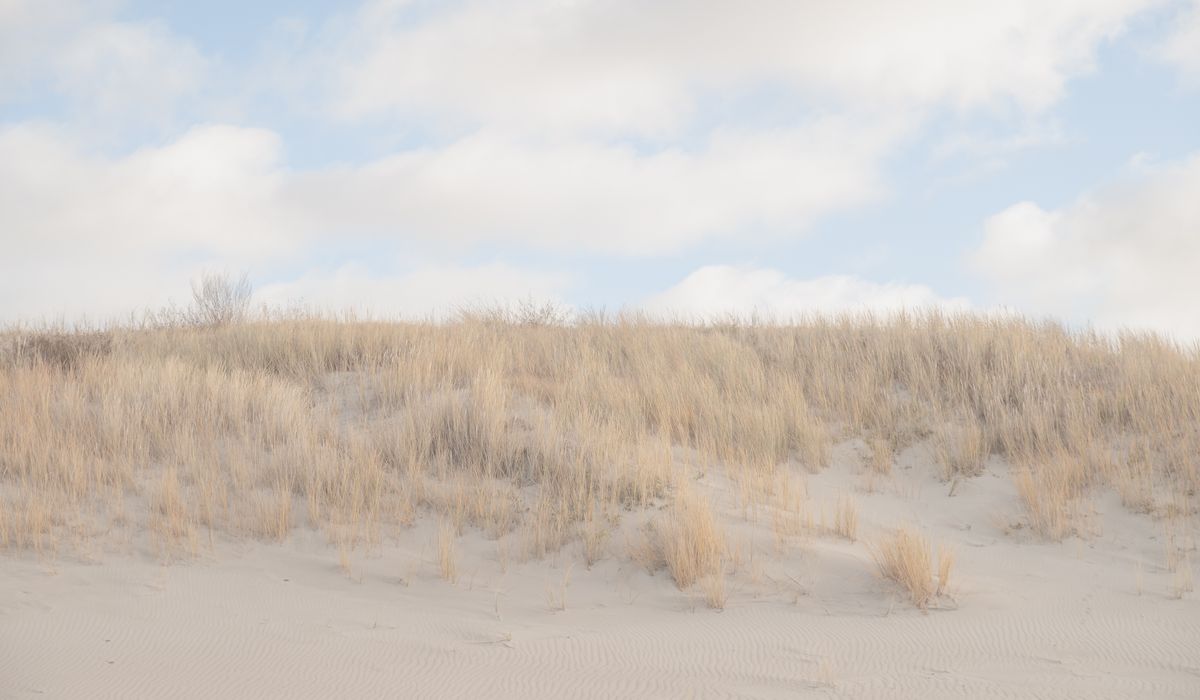
Why dunes are a stronghold for sand lizards
The sand lizard is one of Britain’s rarest reptiles, and its stronghold is a narrow strip of coastal heath and dune. These lizards need three things in close proximity: loose, bare sand for egg-laying; open, south-facing patches for basking; and structural diversity — marram tussocks, heather, scattered scrub, and dead wood — for shelter and hunting. Dune systems that are grazed, wind-blown, or otherwise dynamic create exactly this mosaic. Where dunes have become overgrown with coarse grass and scrub, sand lizards disappear. That is why the best dune sites are those with plenty of bare sand and a warm, sheltered microclimate.
When and where to look: reading the habitat
Timing matters. Sand lizards emerge from brumation in March or April, and the best months to watch are May and June, when males are brightly coloured and active. A warm morning after a cool night is ideal: the lizards bask to raise their body temperature, often on bare sand, on top of a marram tussock, or on a fence post or log. Look for south-facing slopes and the edges where bare sand meets vegetation. Scan ahead with binoculars — a basking lizard is often just a movement, a flicker of green or brown, before it darts into cover. Midday heat can send them into shade, so early to mid-morning and late afternoon are most productive. In July and August, juveniles appear, and you may see them hunting among the grass stems.
Fieldcraft: watching without disturbing
Sand lizards are legally protected under the Wildlife and Countryside Act 1981. Disturbance — including handling, chasing, or repeated close approach — is an offence. Watch from a distance of at least three to four metres. Use binoculars or a zoom lens rather than creeping closer. Stay on established paths and boardwalks; dune vegetation is fragile, and trampling marram or heather destroys the cover lizards need. Keep dogs on a short lead. Do not lift stones, logs, or pieces of debris — these are important refuges. If a lizard opens its mouth, flattens its body, or runs, you are too close. Back off quietly. A good rule: if you can see the lizard’s eye clearly with the naked eye, you are probably too near. Enjoy the encounter, then move on.
The coastal calendar: seasons and behaviour
Sand lizards are creatures of routine. Understanding their annual cycle helps you know when to look and when to leave them in peace.
- Spring (March–May): Males emerge first, establish territories, and engage in ritual fights. Females appear later. Basking is frequent, and warm afternoons can be productive — though mornings are best.
- Early summer (May–July): Mating occurs. Females lay clutches of eggs in bare, warm sand. This is the most sensitive time — do not linger near egg-laying sites.
- Late summer (August–September): Juveniles hatch and disperse. Adults bask to build reserves before winter.
- Autumn and winter: Lizards retreat underground into burrows, root systems, or mammal tunnels. They may still bask on mild days in October, but once cold sets in they are not visible. Any disturbance to hibernation sites can be fatal.
Giving something back: protecting dune mosaics
Dune systems are dynamic by nature. They need wind, sand movement, and grazing to keep bare patches open. You can help by supporting conservation grazing and scrub management — but from a distance. Avoid walking on fragile dune ridges, especially in spring and summer. Stick to marked paths even when they seem quiet. If you find a sand lizard, record the sighting with your local biological records centre; this helps track populations without needing to handle the animal. And remember that the best watching is patient watching. Sit still, let your eyes adjust, and the dunes will reveal their residents. Sand lizards are a privilege to see — a flash of emerald or copper against the sand — and they will reward your restraint.


Sea holly thrives in harsh coastal conditions, with blue stems and thistle-like flowers. It is a distinctive sign of healthy dune habitat.
Coastal erosion is a natural process, but sea level rise and storms alter it. Understanding sediment movement helps make sense of changing shores.
Rockpooling introduces children to crabs, anemones and seaweeds. Choose a falling tide, wear sturdy shoes and handle creatures gently.
Early morning light reveals textures and shadows across sand dunes. Use a low angle and keep footprints out of your composition.