
Ethical Beachcombing: What to Leave Behind
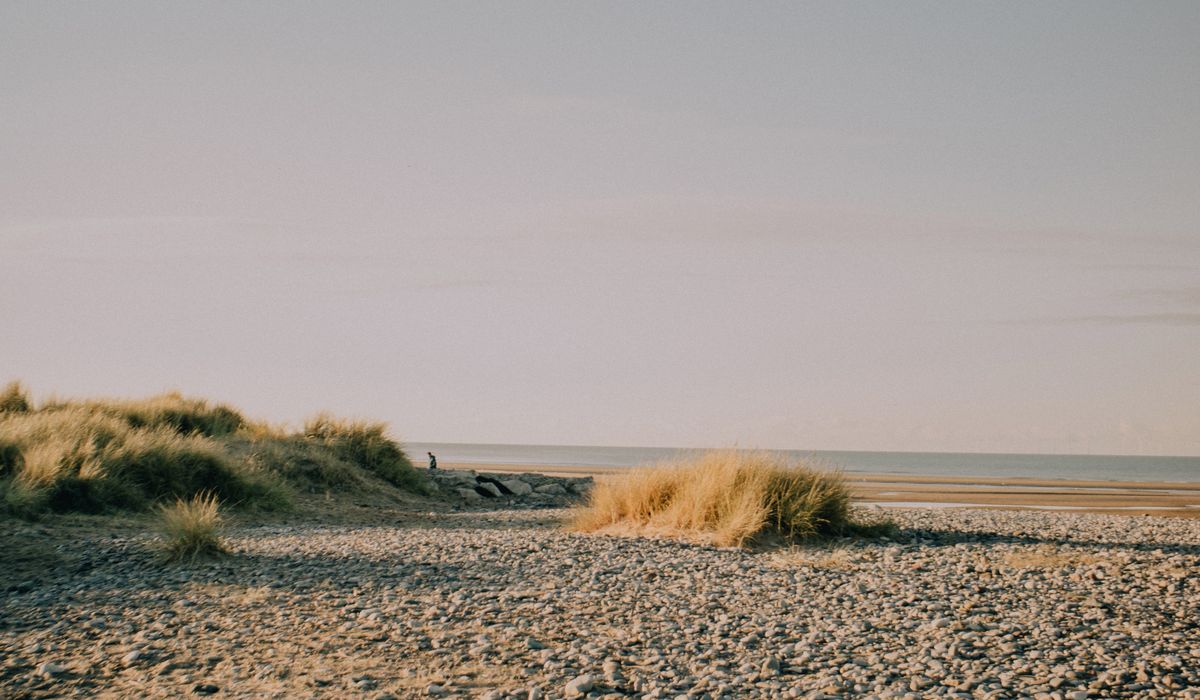
There are few quieter pleasures than a morning on the tideline: the hiss of the ebb, the smell of kelp, the small thrill of a curlew's call and a pocket slowly filling with sea glass. Beachcombing is one of the most accessible ways to fall in love with the British coast. But the very things we find beautiful — a perfect cockle shell, a smooth pebble, a piece of sun-bleached driftwood — are also part of a working habitat. Learning what to leave behind is what separates a beachcomber from a beach stripper.
The Strandline Is a Habitat, Not a Treasure Chest
That dark ribbon of seaweed, shells and driftwood at the top of the beach looks like debris. It is not. The strandline is one of the most productive habitats on the coast, a larder and a nursery rolled into one. Sandhoppers and kelp flies break down the weed, turnstones and oystercatchers work the same strip for invertebrates, and the damp layers beneath shelter countless small creatures through the heat of the day.
Shells do more than decorate a windowsill. They are a source of calcium for the sand, gradually ground down by the waves, and they provide shelter and attachment surfaces for tiny marine life. Shingle is not inert either: the pebbles on a beach absorb wave energy, and removing them — even a handful at a time, multiplied by thousands of visitors — changes how the beach behaves in a storm. On some heavily combed stretches, whole beaches have visibly coarsened and shrunk.
What to Leave Behind
A good rule of thumb is simple: if it is alive, if it is habitat, or if it is part of the structure of the beach, it stays.
- Anything living. Limpets, winkles, crabs, starfish, anemones and seaweeds attached to rock should be admired and returned exactly where you found them. Never prise a limpet off a rock — you are removing its protective shell-home and it will not survive.
- Shells in quantity. A single empty shell is a small thing. A bagful is a habitat removed. Take one for the shelf, photograph the rest.
- Pebbles and shingle. It is illegal to take shingle from most UK beaches, and for good reason. Leave the stones where the sea put them.
- Driftwood. Weathered timber is nesting material for birds, shelter for insects, and a surface for lichens and mosses. If it is big enough to notice, it is probably working for something.
- Seaweed and kelp holdfasts. Fresh weed is food; dried weed is a nursery. Take neither.
- Dune plants and wildflowers. Sea holly, sea campion and marram grass are not pickable, and they hold the dunes together.
If you are on a site with a warden or a visitor centre, ask. Local rules vary, and knowing them is part of the pleasure.
The Dunes Are Older Than They Look
Dunes look sturdy and are surprisingly brittle. Marram grass grows slowly and its roots are the only thing anchoring the sand; a single careless path worn through a dune can start a blowout that takes decades to heal. In dune slacks — the damp hollows between ridges — you may be walking past natterjack toads, rare orchids and the nests of skylarks.
Stay on marked paths, resist the urge to run down the sand, and keep dogs close between March and September when ringed plover, little tern and oystercatcher are nesting on the upper beach. A nest is often just a scrape in the shingle, invisible until you are almost on top of it.
Know Where You Are Walking
Much of the UK coast carries a designation — a Site of Special Scientific Interest, a Marine Conservation Zone, a National Nature Reserve or a local wildlife trust reserve. These places are not off-limits, but they do come with byelaws that often restrict collecting, bait digging and disturbance. In some areas, rockpooling is discouraged entirely during the winter months.
Before you set out, spend five minutes checking who manages the beach and whether there are seasonal restrictions. It is the difference between a welcome visitor and a well-meaning nuisance.
What You Can Take — and What You Should Always Remove
Ethical beachcombing is not about taking nothing. It is about scale and intent. A single piece of sea glass, a small pottery shard or a photograph of a spectacular find harm nothing, and the memory often lasts longer than the object. Take the ordinary and leave the extraordinary — the mermaid's purse, the perfect whelk, the egg case that might still hold something alive.
What you should always remove is litter. Fishing line, balloon ribbons, plastic bottle tops and the tiny nurdles that litter so many British beaches do real damage to seabirds and marine mammals. Take a bag, and pick up what you find.
Small Habits, Big Difference
Beachcombing teaches us to look closely, and looking closely is the first step towards caring. If you are out with children, make the game one of spotting and naming rather than collecting, and consider leaving the bucket at home. If you are out with a camera, you already have the best souvenir.
The coast gives generously. Tread lightly, take little, and it will keep giving for a long time to come.


Natterjack toads breed in ephemeral dune pools that dry out seasonally. Their survival depends on carefully managed coastal habitats.
Sea holly thrives in harsh coastal conditions, with blue stems and thistle-like flowers. It is a distinctive sign of healthy dune habitat.
Coastal erosion is a natural process, but sea level rise and storms alter it. Understanding sediment movement helps make sense of changing shores.
Rockpooling introduces children to crabs, anemones and seaweeds. Choose a falling tide, wear sturdy shoes and handle creatures gently.