
Volunteering with Local Dune Restoration Groups
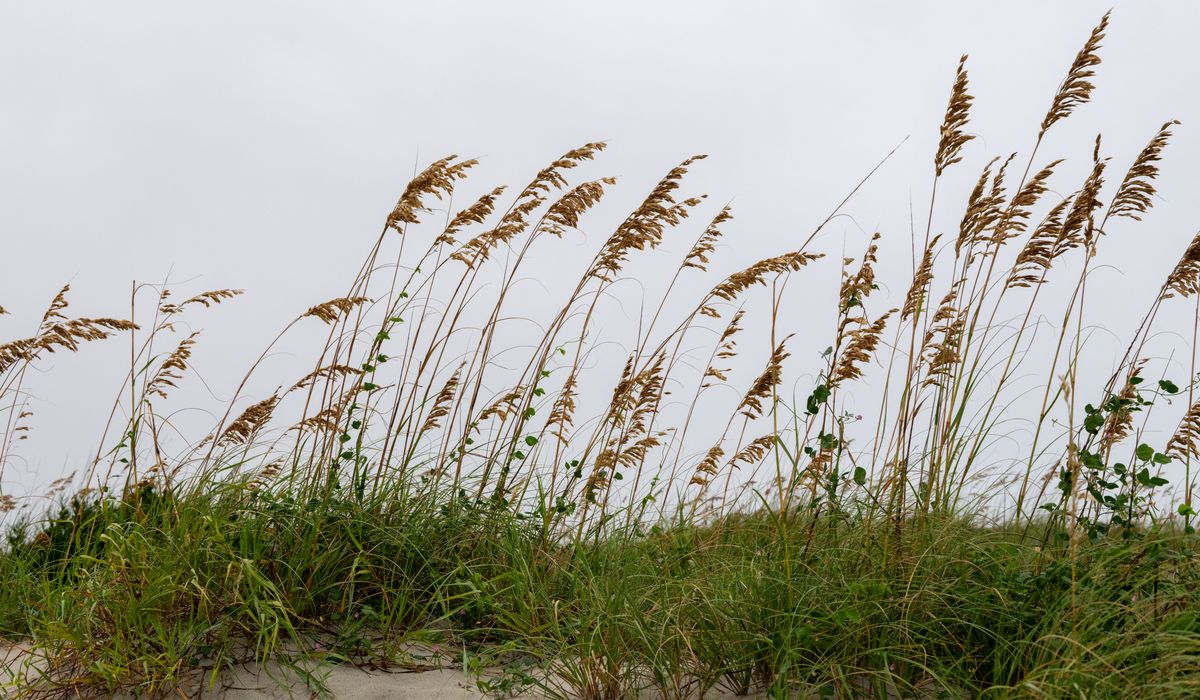
Why Britain's dunes need a helping hand
Sand dunes are among the rarest habitats in Europe, and the UK holds a decent share of them. They form a shifting mosaic — bare sand, foredune, dune slack, dune heath, dune grassland — and that mosaic is what makes them so rich. Skylarks, meadow pipits, natterjack toads, sand lizards, dark green fritillaries and a host of specialist plants depend on dunes staying mobile in places and stable in others.
The trouble is that most dunes have been left to their own devices for decades. With no grazing animals or natural disturbance, scrub moves in fast. Sea buckthorn, bramble, gorse and sycamore thicken the whole system into dark woodland, shading out the bare sand that so many species need. Add sea level rise, hard sea walls that stop dunes rolling inland, heavy footfall and a changing climate, and the pressure is considerable.
Restoration is not complicated, but it is labour-hungry. That is where volunteers come in.
What a work party actually looks like
Most groups run task days of roughly four to six hours, meeting in a coastal car park at half nine or ten. There is a briefing on safety, tools and what needs doing, then everyone walks out to site together. Expect to stop for lunch at the top of a dune with a very good view and sand in your sandwiches.
Typical jobs include:
- Scrub clearance — cutting sea buckthorn and bramble with loppers, bow saws and tree poppers, then dragging cut material onto burn piles or into arisings heaps.
- Marram planting — tucking grass tillers into bare sand to build new foredune.
- Fencing and access work — repairing post-and-wire fencing, clearing boardwalks and stepping over paths to keep footfall off fragile slacks.
- Litter and strandline recording — a proper survey of what washes up, counted and logged rather than just binned.
Planting marram: building dunes one tiller at a time
Marram grass, Ammophila arenaria, is the engineer of the dune system. Its rhizomes run horizontally through the sand and send up shoots that catch wind-blown grains, so a planted patch gradually grows into a low ridge. Given a few years and the right conditions, you get a recognisable foredune.
The planting window runs roughly from November to March, when the grass is dormant and the sand is damp. Tillers are usually collected on site from healthy donor areas, never brought in from elsewhere — local genetic stock matters. Using a spade or a purpose-made dibber, you make a narrow slit about 15 centimetres deep, tuck a tiller in to roughly two-thirds of its length, and firm the sand with your heel. Spacing of 30 to 45 centimetres in staggered rows works well. It is repetitive, oddly meditative work, and the moment you see the first new shoot the following spring is genuinely satisfying.
Surveying: turning a walk into usable data
If you prefer not to spend the day swinging a mattock, survey volunteering is just as valuable. Groups need help with fixed-point photography, repeat quadrat recording in dune slacks, breeding bird transects, butterfly counts and invertebrate traps. Natterjack toad patrols in late spring involve listening for calling males at dusk and counting spawn strings in shallow pools.
No prior knowledge is needed for most of it. You will be paired with someone experienced, given a recording form and shown exactly what to look for. The records matter — they go to local biological records centres and national monitoring schemes, and they are the evidence that justifies keeping funding for dune work. A morning's careful counting can influence management decisions for years.
What to bring and what to expect on your first day
Turn up dressed for the coast rather than the town. Even a still inland morning is usually breezy on a dune, and it can feel several degrees colder than the car park.
- Sturdy boots you do not mind filling with sand, or wellies in winter.
- Work gloves, plus eye protection if scrub cutting is on the list.
- Layers, waterproofs, sun cream and a hat — often all on the same day.
- Plenty of water and a packed lunch; there is rarely a shop nearby.
- A sense of humour about sand getting into absolutely everything.
Groups generally supply tools, training and insurance. Many ask for a short form on arrival, and under-eighteens usually need to be accompanied. Accessibility varies enormously, so it is worth asking in advance whether a task involves rough ground or a long walk in. If you have a long-term health condition, say so — plenty of lighter roles exist, from recording to refreshment duty.
Beachcombing with a purpose
Sand dunes and the strandline below them are two halves of the same system. Once you start volunteering, you will never walk a beach quite the same way again. You will notice cuttlefish bones, mermaid's purses, by-the-wind sailors and whelk egg cases, and you will start to read erosion scarps, new sand accumulation and the first green shoots of a dune rebuilding itself.
To find a group near you, look for local conservation charities, national park and landscape partnership teams, council countryside services, friends-of groups and university conservation societies. Winter is the busiest season for scrub clearance; spring and summer lean towards survey work, so there is something to do all year round. Turn up once, and you will almost certainly be back.


Coastal wildflowers range from sea campion to pyramidal orchid. Learn which species favour shingle, dune slack or cliff-top grassland.
Seashells wash up in mixed collections, but common shapes reveal their makers. Compare hinge, spiral and rib patterns to identify finds.
Coastal headlands offer close views of fulmars, guillemots and gannets. Bring binoculars, keep back from cliff edges and avoid nesting colonies.
A community beach clean needs a safe site, gloves, bags and a plan for rubbish. Keep groups small and record what you collect.