
Why Natterjack Toads Need Shallow Dune Pools
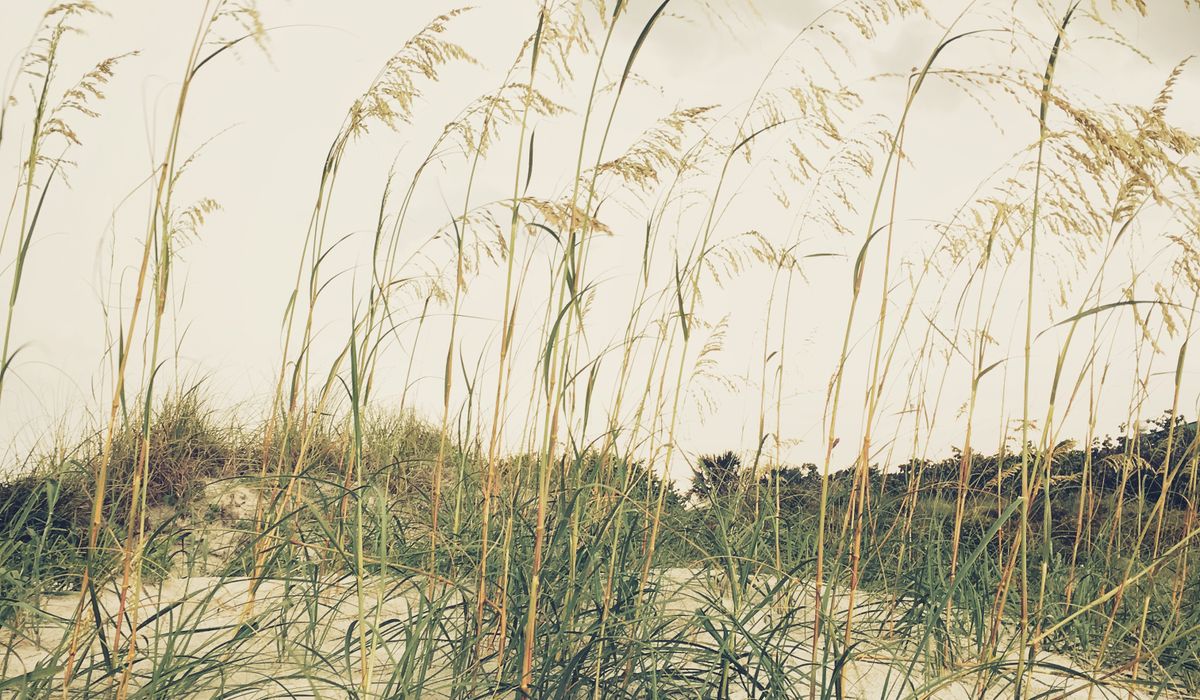
A toad that runs instead of hops
The natterjack toad is one of Britain's rarest amphibians, and it is a creature of bare sand and shallow water. It is smaller than a common toad, with a pale yellow stripe running down its back, a greenish-yellow eye with a horizontal pupil, and an unusual talent: it runs in short bursts rather than hopping. On a still evening in spring you are far more likely to hear one than see it. Males gather in the shallows and call in chorus, a loud rasping purr that carries across the dunes and has been compared to a distant motorbike.
The UK strongholds are coastal — the dunes of Merseyside, Cumbria, the Solway and parts of East Anglia — with a few inland populations clinging on on lowland heath. Wherever they live, natterjacks depend on the same combination: open, damp sand, short vegetation, and pools that do not last forever.
Dune slacks: the pools that come and go
Behind the first line of dunes, wind-blown sand forms ridges, and between those ridges the water table sits close to the surface. These hollows are called dune slacks. Winter rain fills them; summer sun and evaporation shrink them, and in a good year they may be dry by July or August. Some seasons they hold water for months, others they barely fill at all.
That impermanence is exactly what makes them valuable. Fish cannot survive in a pool that disappears, so natterjack tadpoles grow up without them. Great diving beetles, dragonfly larvae and common frogs — all of which thrive in permanent water — are largely absent or scarce. Shallow water also warms quickly, and warmth drives development. Natterjack tadpoles can go from egg to toadlet in six to eight weeks, faster than most of our native amphibians, which is why they can gamble on a pool that may not last the summer.
Spawn is laid in strings, often wound around sparse stems at the pool edge. The ideal breeding pool is only 10–30 cm deep, a few metres across, with gently sloping, bare sandy margins where emerging toadlets can climb out. Low nutrients matter too; natterjacks are pioneers, wanting the early, raw stage of a slack rather than the mature, overgrown version.
What goes wrong when pools stop behaving
Two opposite pressures threaten these pools. The first is permanence: drainage blocked, a slack deepened, or management that leaves water in place all year. Predators and competitors move in, tall vegetation takes hold, and the site turns against its rarest resident.
The second is premature drying. Hotter, more erratic summers can shrink a pool before tadpoles have metamorphosed, and a single failed year matters when a population is small. Meanwhile, the slow creep of scrub — sea buckthorn, willow, birch — shades out the open sand. Grazing animals usually hold that back, but rabbit numbers have fallen sharply on many coasts, and without cattle or ponies on the dunes, slacks scrub over within a few decades.
Practical management: scrapes, grazing and bare sand
- Create new shallow scrapes rather than deepening existing ones, working a few at a time on a rotation so that some pools hold water while others dry out and reset.
- Keep margins bare by mowing, light turf-stripping or hand-clearing around pool edges, so toadlets have open ground to leave on.
- Grazing by cattle, ponies or sheep at low density maintains the short, open sward that natterjacks need — and keeps scrub at bay.
- Do the work between September and February, outside the breeding season, and keep heavy machinery off saturated slacks.
- Watch the water table and remove or repair anything that drains a slack, from old ditches to vehicle ruts.
Beachcombing and visiting with care
Beachcombing takes people onto the coast in every season, and that is no bad thing: regular eyes on a stretch of dune are worth a great deal. A few small habits make those visits kinder.
Keep dogs on leads near pool margins between March and August, when spawn, tadpoles and tiny toadlets are at their most vulnerable. Never net or handle amphibians, and resist the urge to move spawn between pools. Clean your boots and any wet kit before visiting another wetland — amphibian diseases, including chytrid, travel easily on damp gear. Take litter home, but leave driftwood and strandline debris where it sits, as it shelters invertebrates and small toadlets. If you visit at dusk, use a torch sparingly and keep your distance from calling males.
If you see or hear natterjacks, send the record to your county amphibian and reptile recorder or local records centre. Reports of calling males, in particular, help build a picture of which pools are still working.
Reading the season
Natterjacks emerge from hibernation in February and March and are usually calling by April, with the chorus peaking on mild, damp evenings through May. Spawn appears from March onwards. Tadpoles metamorphose in July and August, and the newly emerged toadlets — barely a centimetre long — can be seen on bare sand on warm, wet days. By October the adults have dug themselves down into the sand for winter.
Winter is a good time to look at a slack objectively, without frogs in the way: is it holding water, is it fenced in by scrub, are the edges still open sand? That is the reading that tells you whether the pools — and the toads that depend on them — have a future on that stretch of coast.


Coastal erosion is a natural process, but sea level rise and storms alter it. Understanding sediment movement helps make sense of changing shores.
Rockpooling introduces children to crabs, anemones and seaweeds. Choose a falling tide, wear sturdy shoes and handle creatures gently.
Early morning light reveals textures and shadows across sand dunes. Use a low angle and keep footprints out of your composition.
A nature journal deepens observation. Note weather, bird calls, plant shapes and your own responses as you walk beside the sea.